

Zoo
Welcome to the ABQ BioPark Zoo


Located next to the Rio Grande in Albuquerque, New Mexico, the 64-acre Zoo has been offering guests close encounters with exotic and native animals since 1927. Download a zoo map (updated June 2026).
Our Animals
Check out a yearbook of some of our most popular animals at the ABQ BioPark Zoo!
Today at the Zoo
Special Experiences
Upcoming Events
Visit the ABQ BioPark Calendar.
Amazon Wish Lists
The NM BioPark Society has set up several Amazon wish lists for the ABQ BioPark Zoo's residents. The lists feature everything from pig-shaped piñatas for large carnivores to rip into to heavy duty trash containers that can be used to create ice treats for big cats and other carnivores. Browse the lists and make a purchase for the animals.
Latest BioPark News
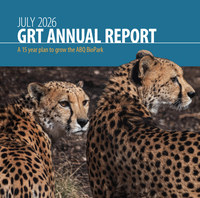
Your BioPark Investment is Growing New Spaces and More Ways to Connect With Nature
Years of planning are paying off thanks to Albuquerque voters.
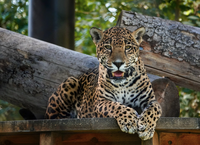
ABQ BioPark Celebrates the Life of Maya the Jaguar
The beloved jaguar spent nearly 12 years at ABQ BioPark where she received exceptional care throughout her senior years.
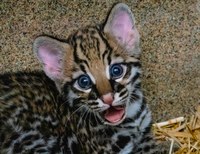
Good Mews! Endangered Ocelot Kitten Born at ABQ BioPark
The kitten is healthy, energetic, and is a delight to all who see him.
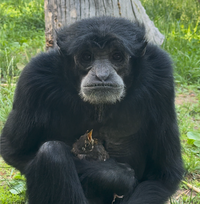
Too Cute! Siamang Tends to Baby Bird That Wandered into Habitat
The baby bird was reunited with its mother after being found and cared for by Eve the siamang.
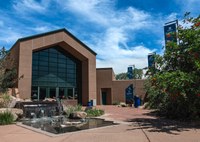
Enjoy a Refreshed Aquarium and Botanic Garden Summer Experience
Guests can again see the river otters and stingrays while enjoying an easier, more connected Aquarium and Botanic Garden experience, now complete with a cooling splash pad.
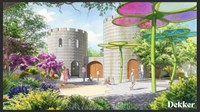
ABQ BioPark Unveils Design for Reimagined Children's Fantasy Garden
The renovation will honor what generations of guests have loved while creating a more accessible, vibrant, and inspiring space for years to come.

Job Opportunity at the ABQ BioPark: Assistant Zookeeper II (Heritage Farm)
The ABQ BioPark’s Heritage Farm team is seeking a friendly and organized team member to serve as an Assistant Zookeeper at the ABQ BioPark.
Job Opportunity at the ABQ BioPark: Mechanic I
The ABQ BioPark’s Maintenance team is seeking an enthusiastic and hard-working team member to perform and/or assist in performing minor mechanical repairs and adjustments on a variety of gasoline and diesel automobiles, heavy equipment and other mechanical equipment; assist in diagnosing mechanical difficulties in automotive equipment; repair and replace tires, and perform a variety of other tasks relative to assigned area of responsibility.
Job Opportunity at the ABQ BioPark: Sr Administrative Assistant
The ABQ BioPark's Maintenance team is seeking a motivated, helpful, and detail-oriented team member to serve as a Senior Office Assistant at the ABQ BioPark Zoo, Aquarium and Botanic Garden
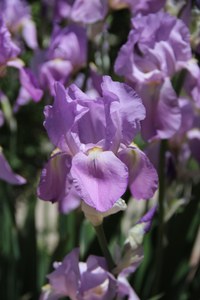
Job Opportunity at the ABQ BioPark: Assistant Gardener
The ABQ BioPark’s Horticulture team is seeking a highly motivated and organized team member to serve as a Assistant Gardener at the ABQ BioPark
New ABQ BioPark Climate Action Plan Advances Heat Relief Efforts and Waste Audit
The roadmap will help protect animals, plants, guests, and resources as climate change brings hotter temperatures, drought, wildfire risk, and flooding to Albuquerque.
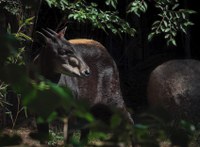
New African Animals Arrive at ABQ BioPark Zoo
We’re welcoming some entirely new species to the BioPark, along with some old favorites.
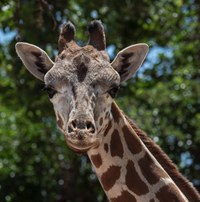
Growing the Herd: ABQ BioPark Welcomes New Giraffe!
The young male giraffe is settling in nicely to his new home and is already adored by his care team.
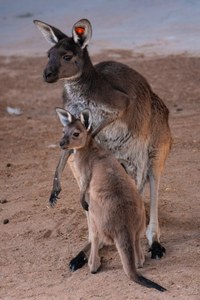
New Kangaroo Joey Springs to Life at ABQ BioPark
The young kangaroo is active, curious, and in good health.
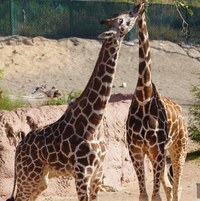
ABQ BioPark Announces New Chapter for Giraffe Herd
The arrival of young male giraffe marks a hopeful next step while honoring the legacy of beloved matriarch June.