

Zoo
Welcome to the ABQ BioPark Zoo
See hours, ticket info. and directions

Located next to the Rio Grande in Albuquerque, New Mexico, the 64-acre Zoo has been offering guests close encounters with exotic and native animals since 1927. Download a zoo map (updated June 2026).
Our Animals
Check out a yearbook of some of our most popular animals at the ABQ BioPark Zoo!
Today at the Zoo
Special Experiences
Upcoming Events
Visit the ABQ BioPark Calendar.
Amazon Wish Lists
The NM BioPark Society has set up several Amazon wish lists for the ABQ BioPark Zoo's residents. The lists feature everything from pig-shaped piñatas for large carnivores to rip into to heavy duty trash containers that can be used to create ice treats for big cats and other carnivores. Browse the lists and make a purchase for the animals.
Latest BioPark News

ORIGAMI IN THE GARDEN: New Traveling Exhibit Unfolds at ABQ BioPark Botanic Garden
The imaginative exhibition turns folded paper designs into large-scale metal sculptures that will be displayed throughout the Botanic Garden.
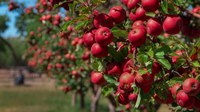
How it’s Made: ABQ BioPark’s Famous Apple Cider!
In this video, hear from the Heritage Farm curator as he guides you step-by-step through the BioPark cider pressing process.
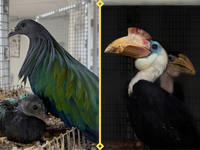
Birds of a Father: the ABQ BioPark’s Bird Team is Celebrating New Chicks and Their Amazing Dads!
Senior males Fred and Nico raise hopes for their two species, which face decreasing populations in the wild.

Dreamy Upgrades Underway at Botanic Garden
Groundbreaking marks fresh beginning for fantastical BioPark spot
Pears, Pressure-Wave Therapy, and Massages: Helping Irene Live Her Best Life
In this senior care spotlight, learn about Irene’s new weekly massages and other treatments she receives to keep her comfortable.
Introducing Poppy the Binturong!
ABQ BioPark is excited for the return of this superb species to the Zoo.

Job Opportunity at the ABQ BioPark: Assistant Zookeeper II (Primates)
The ABQ BioPark’s Primate team is seeking an enthusiastic and hard-working team member to serve as an Assistant Zookeeper of Primates at the ABQ BioPark.
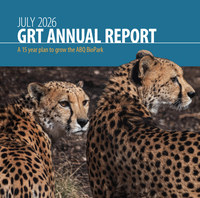
Your BioPark Investment is Growing New Spaces and More Ways to Connect With Nature
Years of planning are paying off thanks to Albuquerque voters.
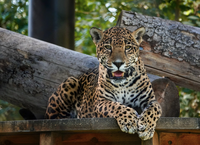
ABQ BioPark Celebrates the Life of Maya the Jaguar
The beloved jaguar spent nearly 12 years at ABQ BioPark where she received exceptional care throughout her senior years.
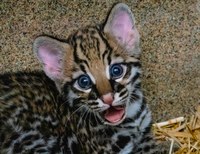
Good Mews! Endangered Ocelot Kitten Born at ABQ BioPark
The kitten is healthy, energetic, and is a delight to all who see him.
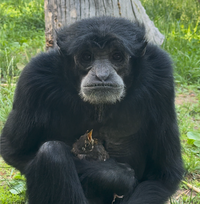
Too Cute! Siamang Tends to Baby Bird That Wandered into Habitat
The baby bird was reunited with its mother after being found and cared for by Eve the siamang.
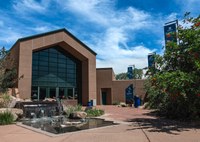
Enjoy a Refreshed Aquarium and Botanic Garden Summer Experience
Guests can again see the river otters and stingrays while enjoying an easier, more connected Aquarium and Botanic Garden experience, now complete with a cooling splash pad.
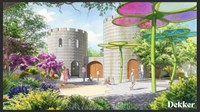
ABQ BioPark Unveils Design for Reimagined Children's Fantasy Garden
The renovation will honor what generations of guests have loved while creating a more accessible, vibrant, and inspiring space for years to come.
New ABQ BioPark Climate Action Plan Advances Heat Relief Efforts and Waste Audit
The roadmap will help protect animals, plants, guests, and resources as climate change brings hotter temperatures, drought, wildfire risk, and flooding to Albuquerque.
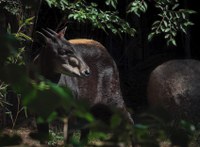
New African Animals Arrive at ABQ BioPark Zoo
We’re welcoming some entirely new species to the BioPark, along with some old favorites.