

City Hall Exhibition Explores Route 66 Through Black History
“The Green Book” reveals a different side of the Mother Road journey
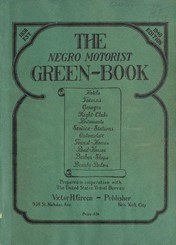
It was a trip filled with freedom – and fear. Yet thousands of Black Americans knew the ability to own a car and hit the open road meant opportunities they never had before, if they were willing to take the drive and follow a vital guide to move freely. That guide was The Negro Motorist Green Book.
As the City continues reflecting on Route 66 in its centennial year and the many stories that have shaped this iconic road, it’s important that those reflections include the voices and experiences of the people who traveled it.
The Green Book is a temporary exhibition exploring the motorist guide and its essential role in helping Black travelers navigate a segregated America. It offers a deeper look at Route 66 through a more inclusive lens. At the forefront is the road’s complicated history and the diverse communities that have always been part of its story.
The Green Book is on view on the eighth floor of City Hall through September 25.
“The stories of these remarkably brave people remind us that freedom isn’t always free,” said Public Art Planner and Curator Robyne Robinson. “Traveling 66 often meant finding innovative ways to see America without risking their safety. Especially in New Mexico, where the roads were dangerous and there could be more than 300 miles between a place to sleep or eat.”
Knowing the difficulty of “traveling while Black” firsthand, New York City postman Victor Green created The Negro Motorist Green Book in 1936 to help Black travelers navigate their way through the U.S., noting motels, restaurants, and businesses in towns and states nationwide that catered to Black motorists. Albuquerque’s first listings were created in 1947.
“There’s more than one story to tell when it comes to Route 66,” said Mayor Tim Keller. “While it opened new opportunities for many, the road wasn’t always easy for everyone.”
The exhibition features oral narratives of those who took the journey, memorabilia, and artwork reflecting the Black passage across the country with works by New Mexico artists Karsten Creightney, Jordan Caldwell, Kabu MBII, and Noé Barnett.
The exhibition is free and open to the public weekdays from 8 a.m. to 5 p.m. Learn more at Gallery One's website.