

Virgil Ortiz: Revolt 1680/2180
July 19, 2016 – July 9, 2017
⇦ back to Visiting Artist homepage

Virgil Ortiz, Translator, Head Commander of the Spirit World Army. Revolt 1680/2180 © 2016 Virgil Ortiz
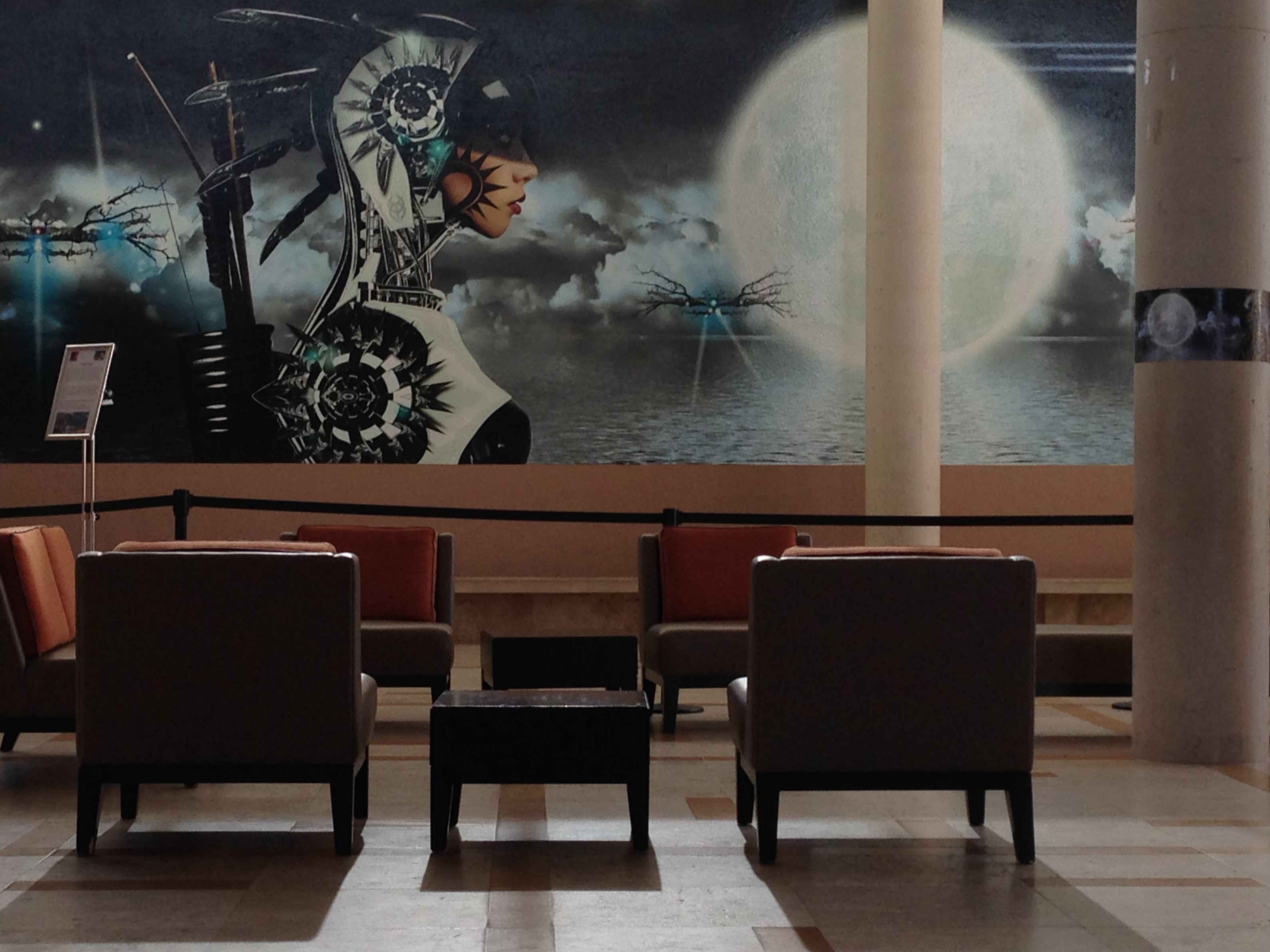
Tahu and the Spirit World Army. Revolt 1680/2180 (installation view) © 2016 Virgil Ortiz
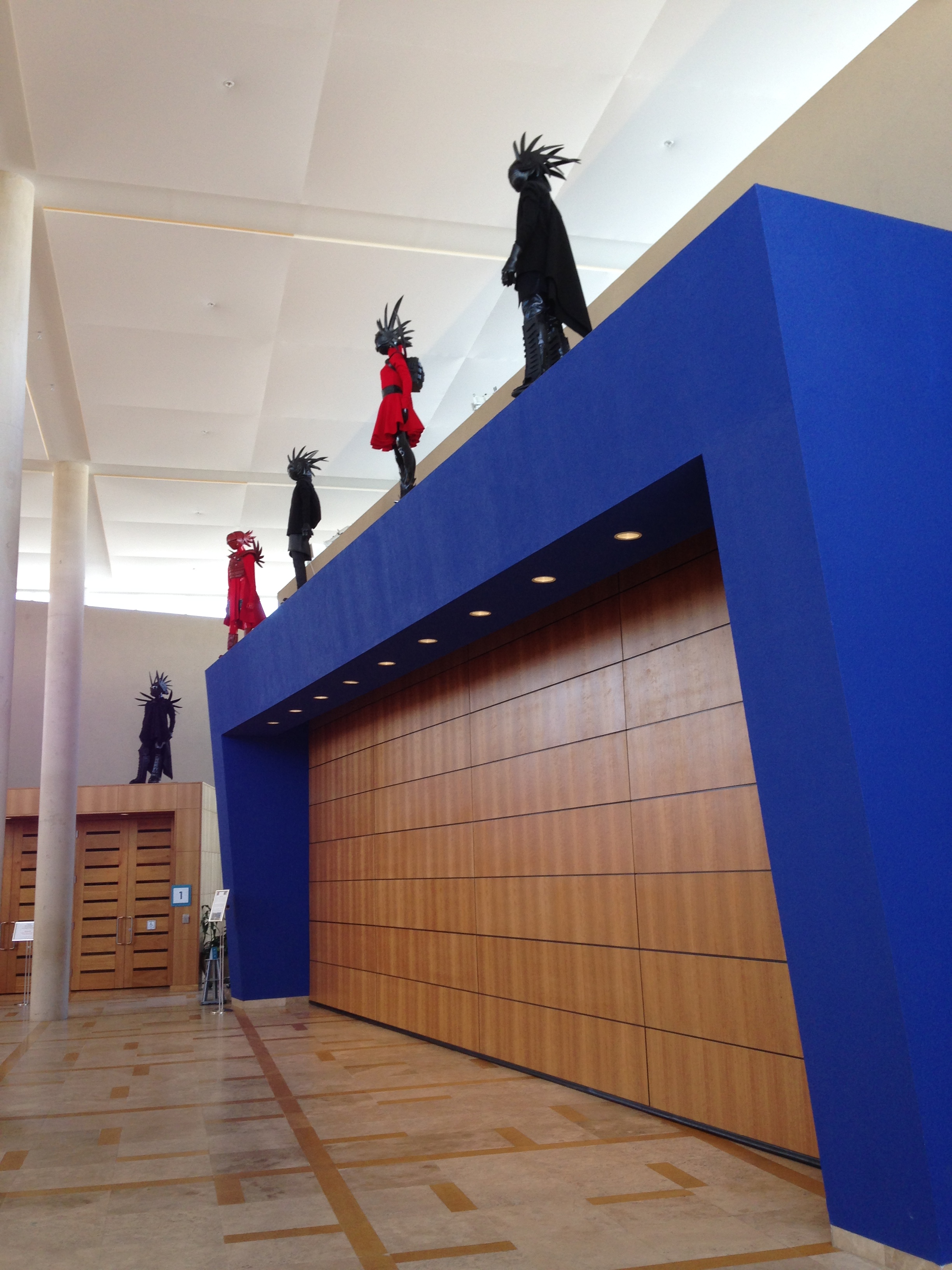
Revolt 1680/2180 (installation view) © 2016 Virgil Ortiz
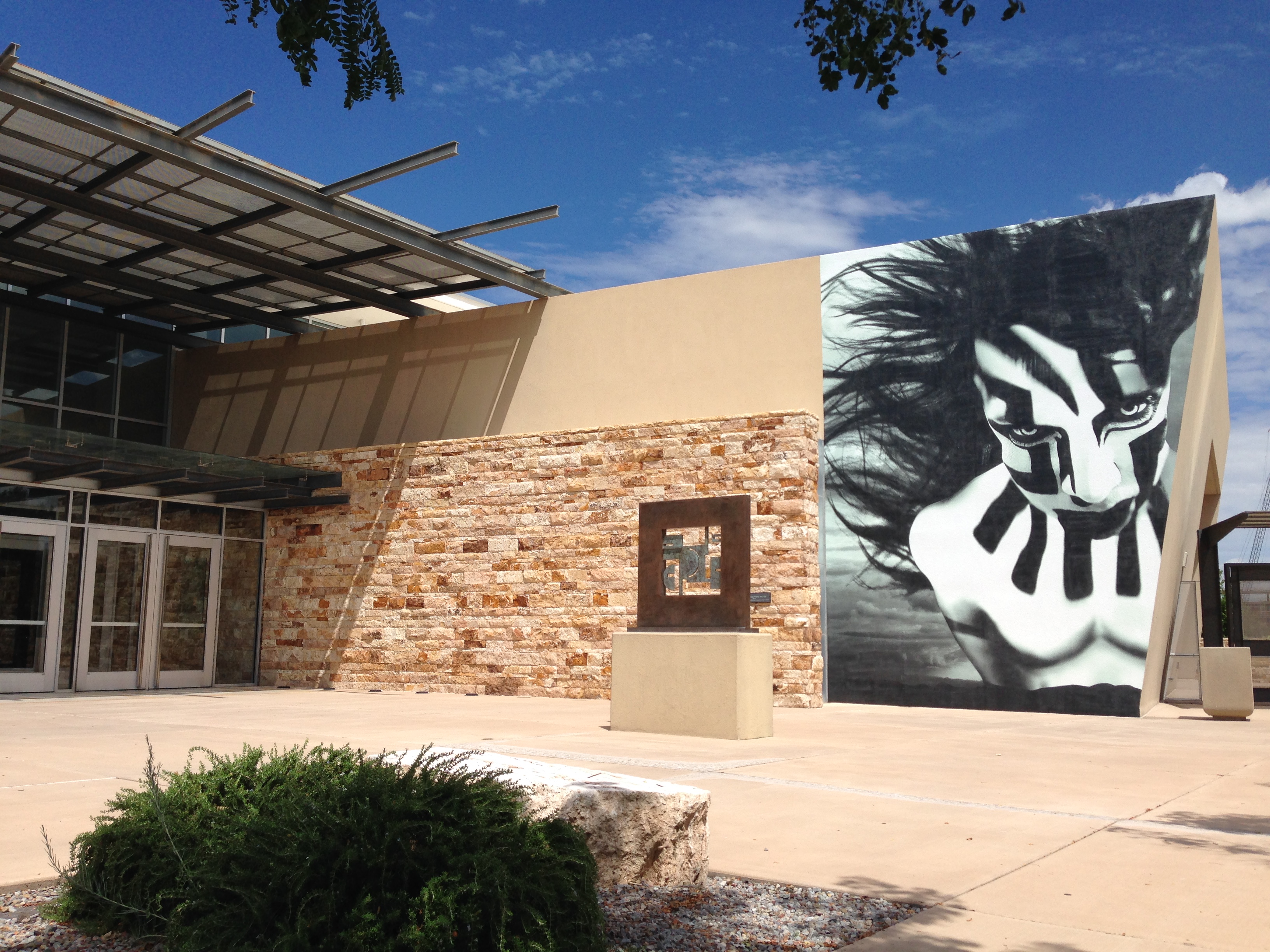
Translator, Head Commander of the Spirit World Army. Revolt 1680/2180 (installation view) © 2016 Virgil Ortiz
Albuquerque Museum’s Visiting Artist program is generously funded by the Frederick Hammersley Fund for the Arts at the Albuquerque Community Foundation.
From July 2016 to July 2017, famed artist Virgil Ortiz brought a futuristic world with deep roots in New Mexico's past to the Albuquerque Museum. For over a decade, Ortiz, of Cochiti Pueblo, has focused on the Pueblo Revolt of 1680. "It's the first American Revolution — and it's not told in classrooms," he said. "I felt it was important to tell that story because no one else is." But he does it in a way that he feels young people will relate to by envisioning a futuristic revolt set in 2180. His characters are a mix of actual historical figures, such as Po’pay, the leader of the 1680 revolt, and new characters, including Tahu, leader of the blind archers, and the Translator, who leads the army of the spirit world.
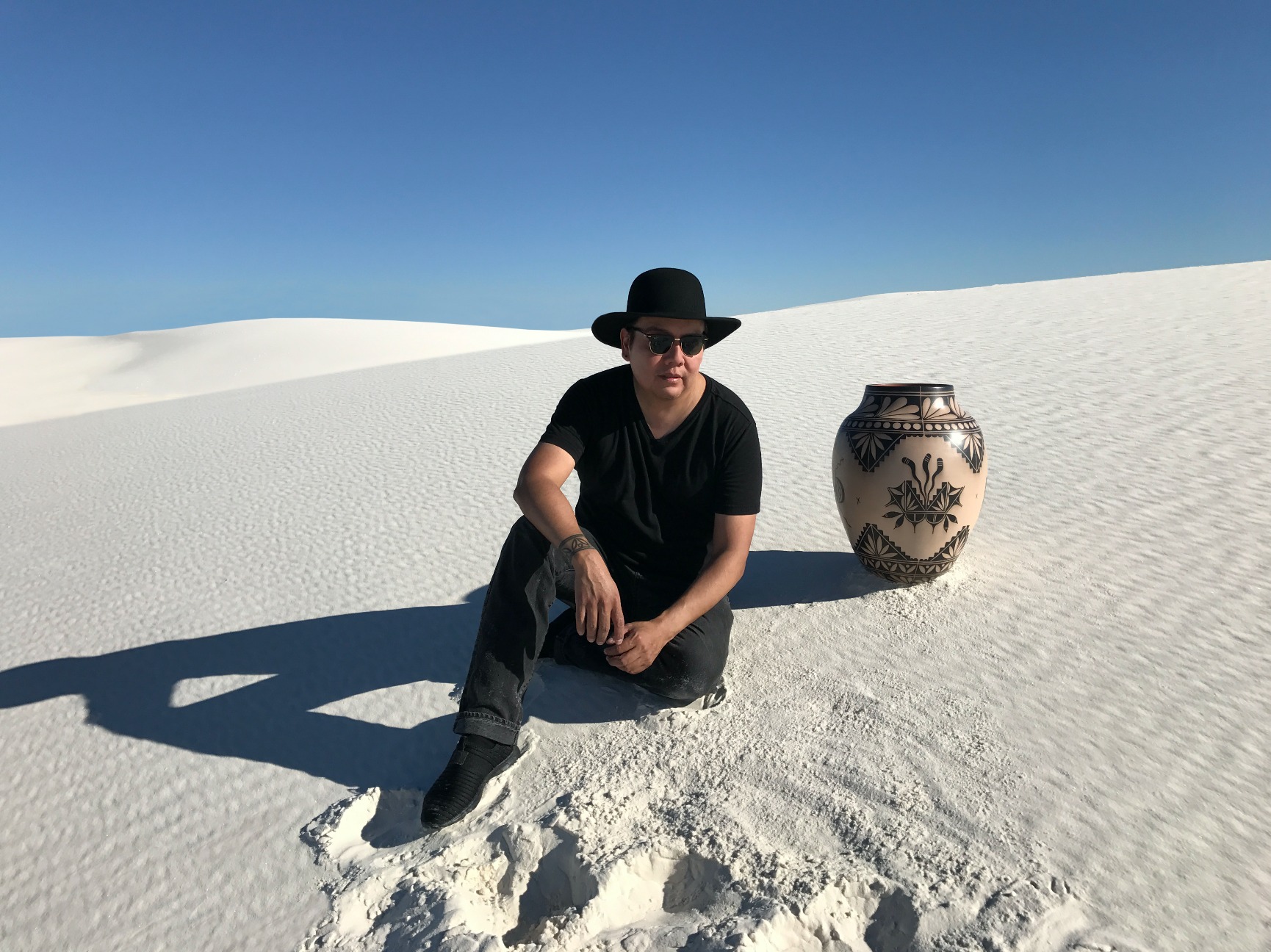
Photo courtesy of Virgil Ortiz
About the Artist
Virgil Ortiz (born 1969, Cochiti Pueblo, New Mexico; lives Cochiti Pueblo) moves into a new era combining art, décor, fashion, video, and film. One of the most innovative potters of his time, Ortiz’s exquisite works have been exhibited in museum collections around the world including the Stedelijk Museum- Hertogenbosch, The Netherlands; Paris’s Foundation Cartier pour I’art Contemporain; the Smithsonian Institution’s National Museum of the American Indian; the Virginia Museum of Fine Art; and the Denver Art Museum.
Ortiz, the youngest of six children, grew up in a creative environment in which storytelling, collecting clay, gathering wild plants, and producing figurative pottery was part of everyday life. His grandmother, Laurencita Herrera, and his mother, Seferina Ortiz, were both renowned Pueblo potters and part of an ongoing matrilineal heritage. “I didn’t even know it was art that was being produced while I was growing up,” he remembers. Ortiz keeps Cochiti pottery traditions alive but transforms them into a contemporary vision that embraces his Pueblo history and culture and merges it with apocalyptic themes, science fiction, and his own storytelling.