

ABQ BioPark’s BUGarium is Back
The renovated exhibit featuring arthropods and some of the BioPark’s smallest animals reopens after a complete transformation!
The ABQ BioPark welcomes guests back to the newly renovated BUGarium at the Botanic Garden, where upgraded and immersive habitats showcase the remarkable diversity of arthropods and the vital role they play in healthy ecosystems.
The BUGarium project, with an estimated cost of $1.45 million, is funded in part through Albuquerque’s voter-approved 1/8-cent gross receipts tax (GRT) and state legislative funding. The renovated BUGarium provides modern habitats designed to meet the specialized needs of its animals while creating new opportunities for guests of all ages to explore the world of insects, spiders, millipedes, and other arthropods.
"The BUGarium reminds us that the smallest creatures have an enormous impact on our ecosystem,’ said Mayor Tim Keller. “We’ve updated the space to inspire visitors to see bugs in a new light and take part in protecting them.”
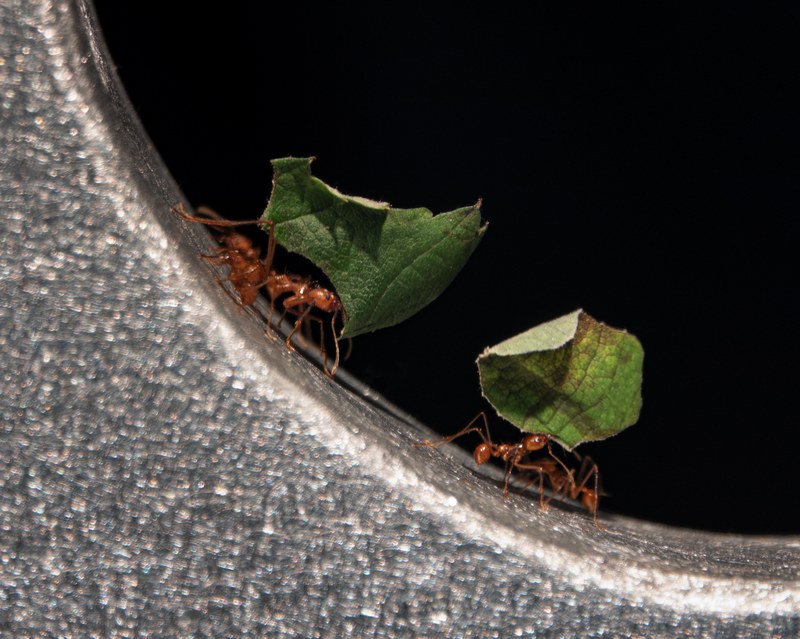
The renovated facility features improved animal habitats with carefully controlled temperature, humidity, and lighting systems tailored to each species' needs. New interpretive experiences introduce guests to everything from camouflage and insect diversity to the sophisticated societies of leafcutter ants and the surprising biology of naked mole rats, which resemble insects in some of their social behaviors.
"Arthropods are among the most diverse animals on Earth, and every one of them has an important job to do," said ABQ BioPark Associate Director Matthew Peterson. "Whether they're pollinating plants, recycling nutrients, controlling pests, or supporting entire food webs, these animals are essential to healthy ecosystems. We also hope guests discover that caring for these small animals requires just as much expertise and dedication as caring for the BioPark’s elephants, giraffes, and other large animals."
Behind the scenes, BioPark entomologists provide highly specialized care for each species. Habitats are designed to encourage natural behaviors such as climbing, burrowing, hunting, and exploring, while carefully managed diets and environmental conditions support the health and well-being of every animal.
The reopening also highlights an important conservation message. Across the Southwest, many arthropod populations are declining due to drought, rising temperatures, habitat loss, and pesticide use. Because arthropods pollinate plants, recycle nutrients, improve soil health, and provide food for countless other species, their decline has far-reaching impacts on ecosystems, including those here in Albuquerque.
"Every ecosystem depends on arthropods," said ABQ BioPark Curator of Entomology Alexandra Miller. “The good news is that everyone can help. Planting native wildflowers, reducing pesticide use, and participating in community science projects are simple actions that create habitat and help scientists better understand these important animals."
In addition to this project, the GRT has also funded the award-winning Asia habitat and transformation of the Australia section of the Zoo, and the expanision of Hertiage Farm at the Botanic Garden.