

Council Cuts Proposed Diversion Program that Connects People to Services Instead of Jail
highlights
ALBUQUERQUE – The City of Albuquerque is seeing early results from a diversion pilot program designed to connect people to services instead of cycling them through jail for low-level, non-violent offenses often tied to homelessness, behavioral health, or substance use challenges. A proposed City Council budget amendment would remove the funding needed to fully launch the legal framework that would make diversion consistent, accountable, and sustainable. Additional changes made by council would gut the city’s efforts toward pedestrian safety known as Vision Zero (cross walks, bike lanes, HAWK lights) and push nearly 200 individuals out of housing onto the streets.
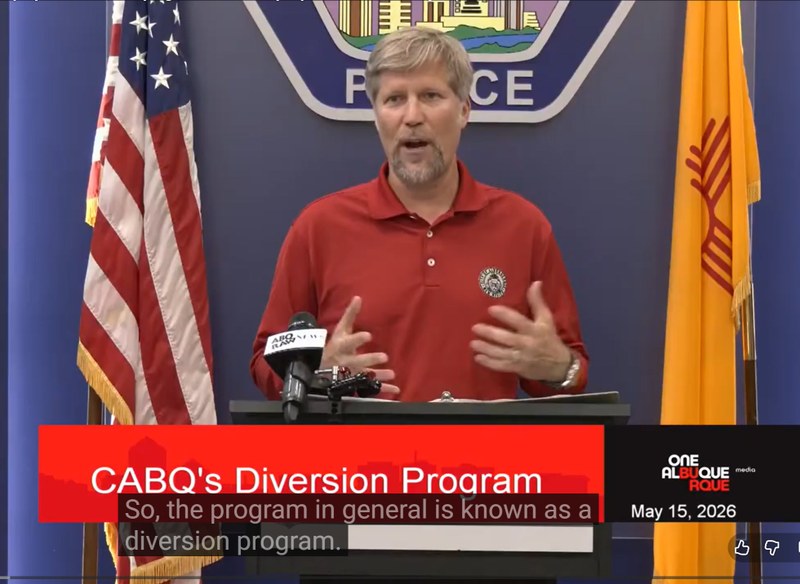
WATCH THE PRESS CONFERENCE HERE

Since late February, APD’s Neighborhood Engagement Support Team (NEST) has piloted a resource-first diversion initiative aimed at reducing unnecessary arrests in low-level, non-violent cases linked to homelessness, mental health, or substance use challenges. Under the pilot program, officers prioritize repeated engagement and resource referrals, often making multiple attempts to connect individuals with shelter, treatment, or other support services before enforcement measures are considered. Early results show that 85 individuals have been diverted from the traditional criminal justice process and connected to community-based services since February 2026.
“We’re doing everything we can to respond to homelessness with services and support, not criminalization,” said Mayor Tim Keller. “When someone is in crisis, jail does not solve the problem. This diversion model gives us another way to connect people to shelter, treatment, recovery, and case management while keeping our community safe.”
The Mayor’s proposed Fiscal Year 2027 budget includes $400,000 for the City Attorney’s Office to build the legal side of the diversion model. That funding would allow the City to work with the Law Offices of the Public Defender and the Metropolitan Court to offer additional diversion options such as shelter intake, case management, substance use or mental health treatment, medical sobering, or other stabilization services. However, a proposed City Council budget amendment would remove that funding, preventing the City from providing the support needed for this new program to work.
The legal side of the diversion program is already moving forward, with hearings before Metropolitan Court scheduled to begin in July 2026. The Mayor’s proposed funding is what will allow the City to follow through by coordinating eligible cases, connecting participants to services, and ensuring consistent accountability. If Council removes this funding, the City would be left without the resources needed to carry out a process already set in motion with the courts.
The diversion program is designed to address a persistent gap in the current system. Many low-level cases tied to homelessness, behavioral health, or substance use challenges result in brief detention, dismissal, or release without connection to shelter, treatment, or case management. The diversion model is intended to create a more effective off-ramp from the justice system into services, while still preserving accountability.
“When someone is cycling through low-level offenses, a short court appearance or brief detention often does nothing to address what brought them there,” said Executive Director of Public Safety Raul Bujanda. “This diversion program gives the City a more accountable way to connect eligible individuals to shelter, treatment, case management, or other services that can help change the outcome.”
The diversion program supports the City’s broader system of care, including Albuquerque Community Safety (ACS) outreach, the Gateway System, behavioral health services, medical sobering, and housing navigation. It is intended to reduce repeat low-level offenses, improve outcomes for individuals in crisis, and reduce unnecessary strain on officers, courts, detention facilities, and emergency response systems.
The Administration is working on amendments to be heard on Monday, May 18, to the new substitute budget put forth by the City Council Committee of the Whole to address potentially detrimental impacts of their proposal, including:
- Cutting $1.5 million from housing and vouchers affecting 193 people, including 69 children, and 16 seniors.
- Elimination of the Vision Zero traffic safety funding that funds the City’s new HAWK lights, crosswalks, bike lanes, and street redesigns to reduce vulnerable road user deaths.
- Fund balance usage of non-reoccurring ‘phantom’ $11 million that may result in city audit findings and violate pay equity requirements and union workers’ right to collectively bargain.