
Albuquerque Establishes Permanent African American Advisory Board to Advance Equity, Unity, and Policy Innovation
Body to strengthen the City’s ability to develop informed, responsive, and equitable policies.
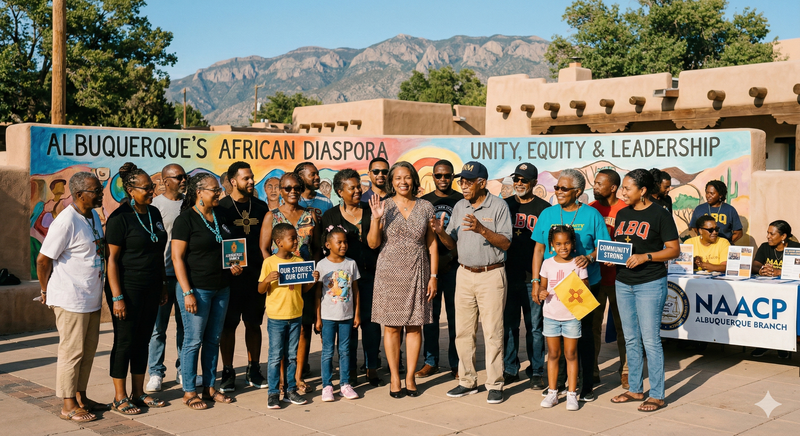
ALBUQUERQUE, NM – The Albuquerque City Council has officially passed Ordinance O-26-11 establishing the African American Advisory Board, a historic and permanent advisory body sponsored by District 6 Councilor Nichole L. Rogers. The Board will provide structured, representative input to the Mayor and City Council to ensure municipal policies are informed by and responsive to the lived experiences, leadership, and vision of the African diaspora in Albuquerque.
The ordinance recognizes the profound cultural, economic, and civic contributions of residents of African descent—including African Americans, Africans, Afro-Latinos, and Afro-Caribbeans—while addressing systemic inequities that continue to impact these communities. By formalizing this Board, the City affirms its commitment to collaborative governance rooted in equity, accountability, and community partnership.
A Forward-Looking Commitment
“Today is about building something that will outlast any one administration or election cycle,” said Councilor Nichole L. Rogers. “This Board is not simply advisory, it is foundational. We are creating a permanent table where collaboration replaces division, where data meets lived experience, and where solutions are shaped with the community, not for the community. Our goal is unity rooted in accountability and progress rooted in partnership. Together, we are laying the groundwork for a more equitable Albuquerque for generations to come.”
“The NAACP Albuquerque Branch is honored to hold a permanent seat at this table, said Pamelya Herndon, President of the NAACP Albuquerque Branch. “We look forward to working alongside Councilor Rogers and our community partners to turn these five pillars into measurable progress—tackling economic disparities, improving health outcomes, and securing a future where equity is the standard, not the exception, for every Black resident in our city."
A Focus on Solutions and Shared Progress
The African American Advisory Board will advise the City across five key pillars:
- Economic Mobility – Expanding workforce pathways, supporting Black-owned businesses, and advancing generational wealth-building strategies.
- Missing and Murdered Black Family – Developing prevention strategies and strengthening advocacy for families impacted by violence and unresolved cases.
- Health Outcomes – Addressing disparities in maternal and infant health, mental health access, and culturally competent care.
- Cultural Heritage – Preserving and elevating the traditions, history, and artistic expression of the African diaspora.
- Civic Engagement – Protecting voting rights, expanding representation, and strengthening community participation in policy-making and redistricting processes.
A Permanent Table for Partnership
The Board will consist of 17 voting members, including representatives from 12 permanent community organizations and three subject matter experts. This structure creates a lasting table where institutions, advocates, faith leaders, educators, and public servants can collaborate to shape policy solutions together.
Permanent Organizational Seats include:
- State of New Mexico Office of African American Affairs
- NAACP Albuquerque Branch
- Albuquerque Public Schools- African American Equity & Engagement Coordinator
- Martin Luther King Jr. State Commission
- Black Chamber of Commerce of New Mexico
- African American Museum and Cultural Center of New Mexico
- New Mexico Black Leadership Council
- UNM African American Student Services & UNM Hospital African American Community Liaison
- Center for New Mexico Black Excellence
- New Mexico Black Lawyers Association
- Albuquerque Police Department Black Ambassador(s)
- Ministers Fellowship & Baptist Ministers Union
Next Steps
The ordinance will take effect five days after publication. The Board will convene monthly, and its findings and policy recommendations will be compiled into an annual public report to ensure transparency and measurable progress.