

Common Ground: Art in New Mexico
Artworks from the permanent collection. On view at Albuquerque Museum.
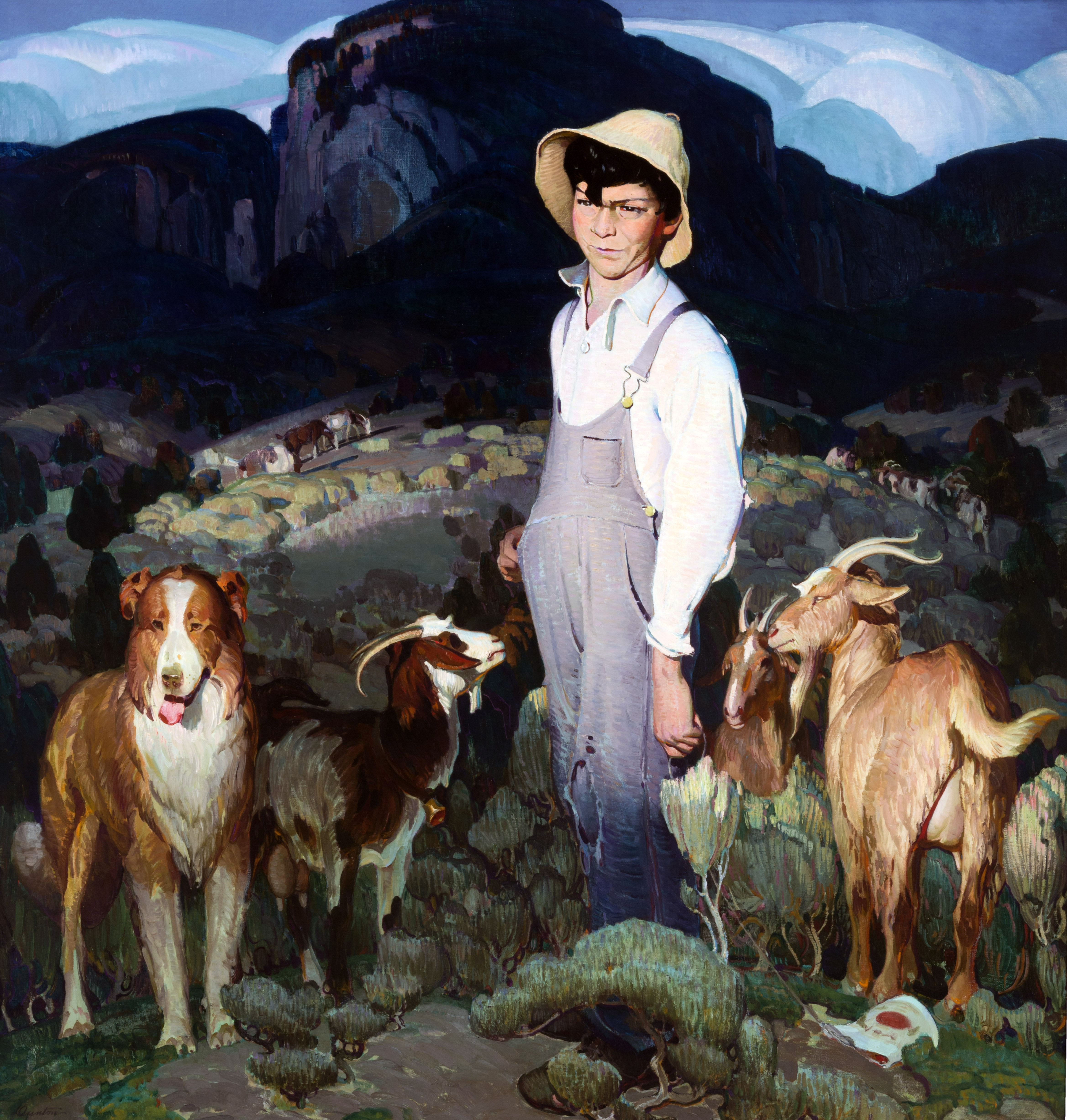
William Herbert Dunton, Pastor de Cabras, 1926, oil on canvas, 52 3/4 x 50 1/2 x 2 in., Albuquerque Museum, museum purchase, 1993 General Obligation Bonds, PC1994.44.1
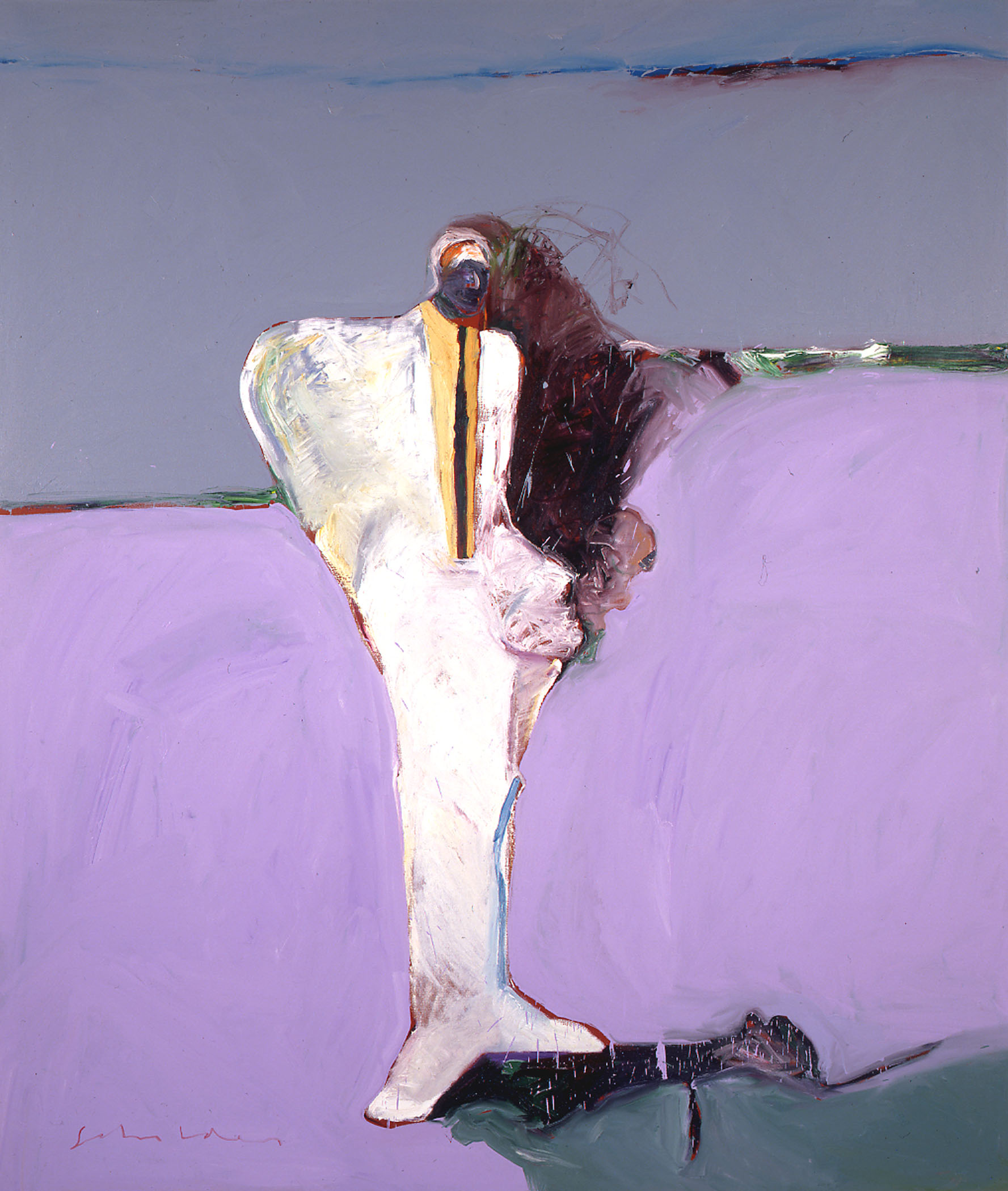
Fritz Scholder, Portrait with White Suit, 1983, oil on canvas, 81 x 69 x 1 7/8 in., Albuquerque Museum, museum purchase, 1983 General Obligation Bonds, PC1984.10.1
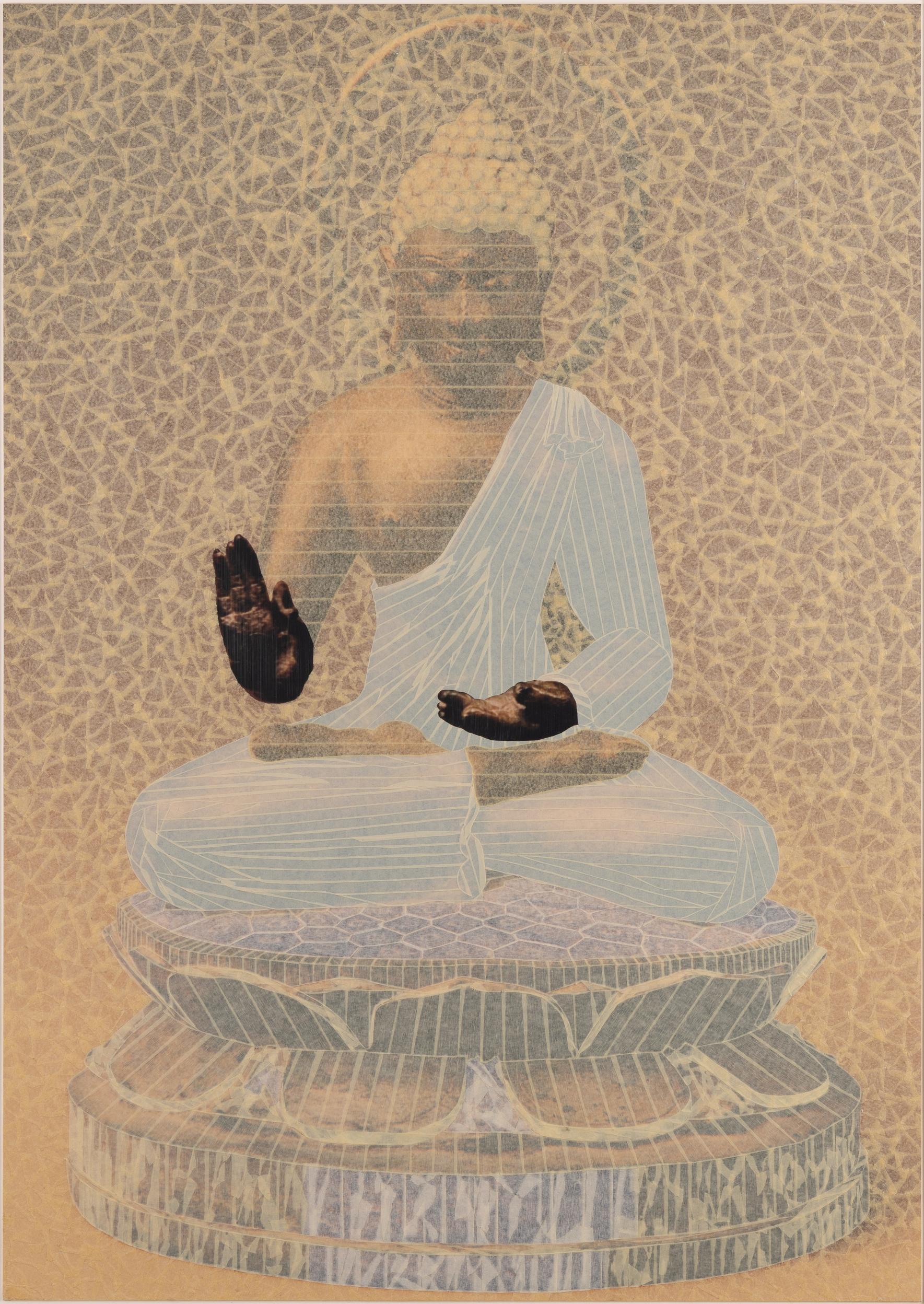
Patrick Nagatani, Vairochana Teaching, 2000, masking tape on photograph, 38 x 27 in., Albuquerque Museum, museum purchase, PC2003.37.2
ongoing exhibition
Since the arrival of humans more than 13,000 years ago, New Mexico has been a center for artistic production and creativity. Few places in the United States can celebrate such a significant and continuous history of artmaking, from prehistory to the ingenuity of the current moment. Art in New Mexico is characterized by the celebration of tradition, innovation within heritage, and groundbreaking developments of new forms and ideas. People of diverse cultures have lived together and influenced each other throughout the centuries.
Many museums often make sense of this diversity by dividing cultures into more clearly identified groups. However, humans do not always live in easily defined communities. This is especially true in New Mexico. The broad range of the Albuquerque Museum’s permanent collection reflects New Mexican creativity in its many forms.
Common Ground presents multiple perspectives and voices exploring the lived experiences, cultures, histories, and art in this region. Artworks are grouped by several guiding questions bringing artists and the diverse ideas, peoples, and places represented into dialogue. These works of art illustrate that as humans, we have more in common with each other than we have differences that divide us. Acknowledging the sometimes violent and complex history of our region, the museum strives to tell the stories that impact how each of us reacts to and experiences the world around us.
New to the Collection
We the People
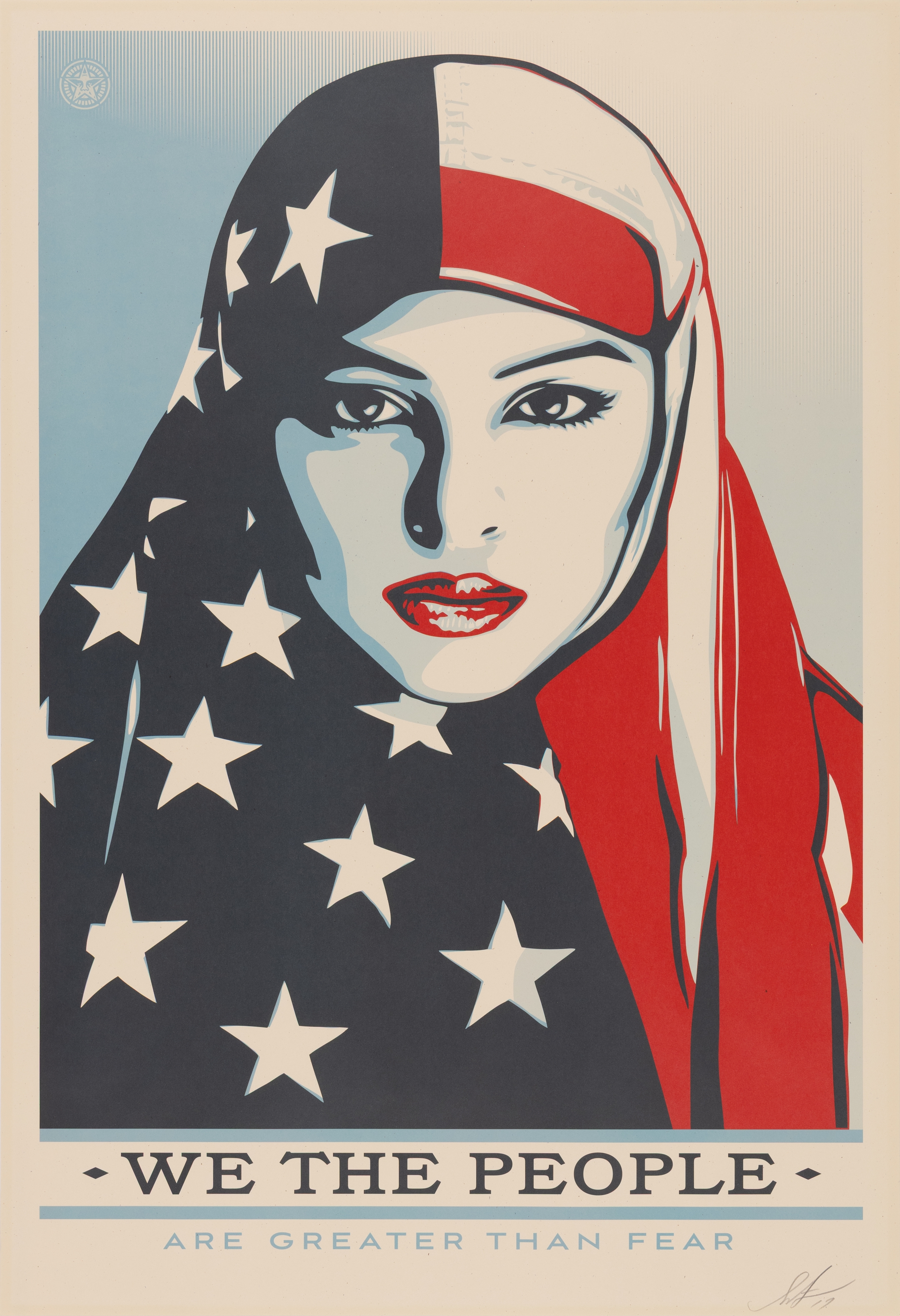
We the People is a nonpartisan public-art campaign created by Amplifier, a Los Angeles-based design studio, with artists Shepard Fairey, Jessica Sabogal, and others. Launched in January 2017, the project used bold graphic portraits to spark dialogue about American identity and shared values amid rising nationalism, bigotry, and intolerance. Freely downloadable, the images became protest signs, murals, clothing, and other forms of public expression around the world.
The campaign’s record-breaking Kickstarter raised $1.3 million from 22,840 supporters in eight days. More than 30,000 placards were distributed during the Women’s March in Washington, D.C., and nearly 700,000 people ultimately downloaded the images in 193 countries. We the People invited viewers to reconsider who represents “the people” and what American values can mean.
Fairey continues to engage public space through socially conscious imagery. In July 2026, he unveiled a pair of murals at Albuquerque’s historic Rail Yards and the Santa Fe Art Institute, extending this longstanding practice.
A large part of the Albuquerque Museum’s art collection consists of generous donations from artists and members of the community. Impressive and important works are coming into the museum throughout the year. New to the Collection features recent acquisitions of various genres that reflect the museum’s mission to collect artwork that tells the diverse stories of our state and region as well as a broader art history that has been influential or relevant to local artists. The art collection is central to the museum’s responsibility to serve Albuquerque’s communities, create enriching educational opportunities, and preserve important works of art for future generations.
