

City Councilor Stephanie Telles Opposes Advancement of Whistleblower Ordinance Without Key Accountability Amendments
Meaningful improvements that would strengthen protections were omitted from O-26-41.
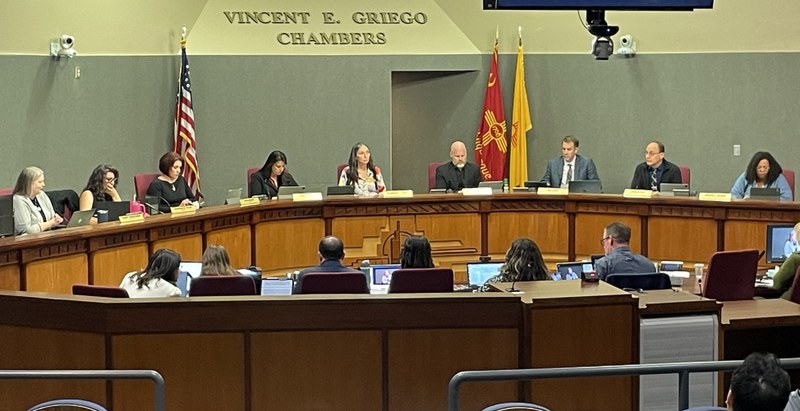
Albuquerque, NM – The City Council's Finance and Government Operations Committee voted 4-1 on Monday to advance updates to the Whistleblower Ordinance, O-26-41, without adopting amendments aimed at strengthening anti-retaliation safeguards, confidentiality protections, reporting protections, and oversight measures. District 1 City Councilor Stephanie W. Telles cast the sole vote against advancing the ordinance because those amendments were not included.
None of Councilor Telles’ proposed amendments received a second, preventing committee discussion on measures designed to strengthen whistleblower protections and government accountability.
"Whistleblower protections are only effective if employees trust that they will actually protect them when it matters most," said Councilor Stephanie Telles. "I voted against advancing this ordinance because meaningful improvements to strengthen those protections were not included or even given the opportunity for discussion. The City's employees and the public they serve deserve a system that encourages people to come forward without fear of retaliation."
Councilor Telles has extensive experience with whistleblower protections, including developing whistleblower guidance for the State of New Mexico. Prior to the committee hearing, she made good-faith efforts to work with the ordinance sponsor to develop a unified proposal that combined procedural improvements with stronger accountability safeguards to create a more comprehensive and effective whistleblower ordinance.
Councilor Telles’ proposed amendments would have:
- Strengthened anti-retaliation protections
- Expanded protections for good-faith disclosures
- Enhanced confidentiality protections and permitted anonymous reporting
- Removed procedural barriers to whistleblower protections
- Improved transparency and oversight
Councilor Telles said she viewed the proposed amendments as complementary and made good-faith efforts to combine them into a single, comprehensive ordinance. While the ordinance sponsor focused on procedural improvements within the existing framework, Councilor Telles' amendments sought to strengthen the overall reporting structure through enhanced governance safeguards and additional protections against retaliation. Although there were differing views on whether these changes should be addressed through one ordinance or separate pieces of legislation, Councilor Telles believes consolidating these proposals into a single ordinance would be a more practical and efficient way to enact the strongest and most effective whistleblower protections possible.
"From the beginning, I viewed these proposals as complementary, not conflicting," Councilor Telles said. "I continue to believe we have an opportunity to create a stronger ordinance by combining procedural improvements with enhanced whistleblower protections. My goal has always been to ensure that individuals who come forward in good faith are protected from retaliation and have confidence that their concerns will be addressed appropriately."
Although the amendments did not advance in committee, Councilor Telles intends to bring them forward again when the ordinance is heard by the full City Council.